Books
Serious works of scholarship, public thought, history, policy, culture, human development, leadership, civilization, and other subjects aligned with the intellectual mission of FWS.

HOME›PUBLISHING
Ideas Must Travel
Ideas acquire greater life when they can travel beyond the room in which they were first conceived.
Famuya Wale So approaches publishing not merely as the production of books and documents, but as an act of intellectual transmission.
To publish is to place an idea into the human conversation.
It is to make thought available for examination, disagreement, development, preservation, and transmission.
For FWS, publishing is inseparable from its larger mission: to deepen understanding, strengthen human and institutional capacity, and contribute responsibly to the common good.
Serious works of scholarship, public thought, history, policy, culture, human development, leadership, civilization, and other subjects aligned with the intellectual mission of FWS.
Substantial investigations arising from FWS research programs or collaborations with scholars, practitioners, and institutions.
Evidence-informed publications intended to clarify public questions and contribute constructively to decision-making and public debate.
Accessible but serious reflections capable of bringing important ideas into conversation with a wider readership.
Future platforms for sustained intellectual exchange across disciplines, institutions, generations, and regions.
Where appropriate, FWS may help important ideas cross linguistic and cultural boundaries—particularly works capable of enriching dialogue between Africa and the wider world.
Publications concerned with memory, history, language, symbols, intellectual traditions, identity, cultural transmission, and the civilizational inheritances through which societies understand themselves.
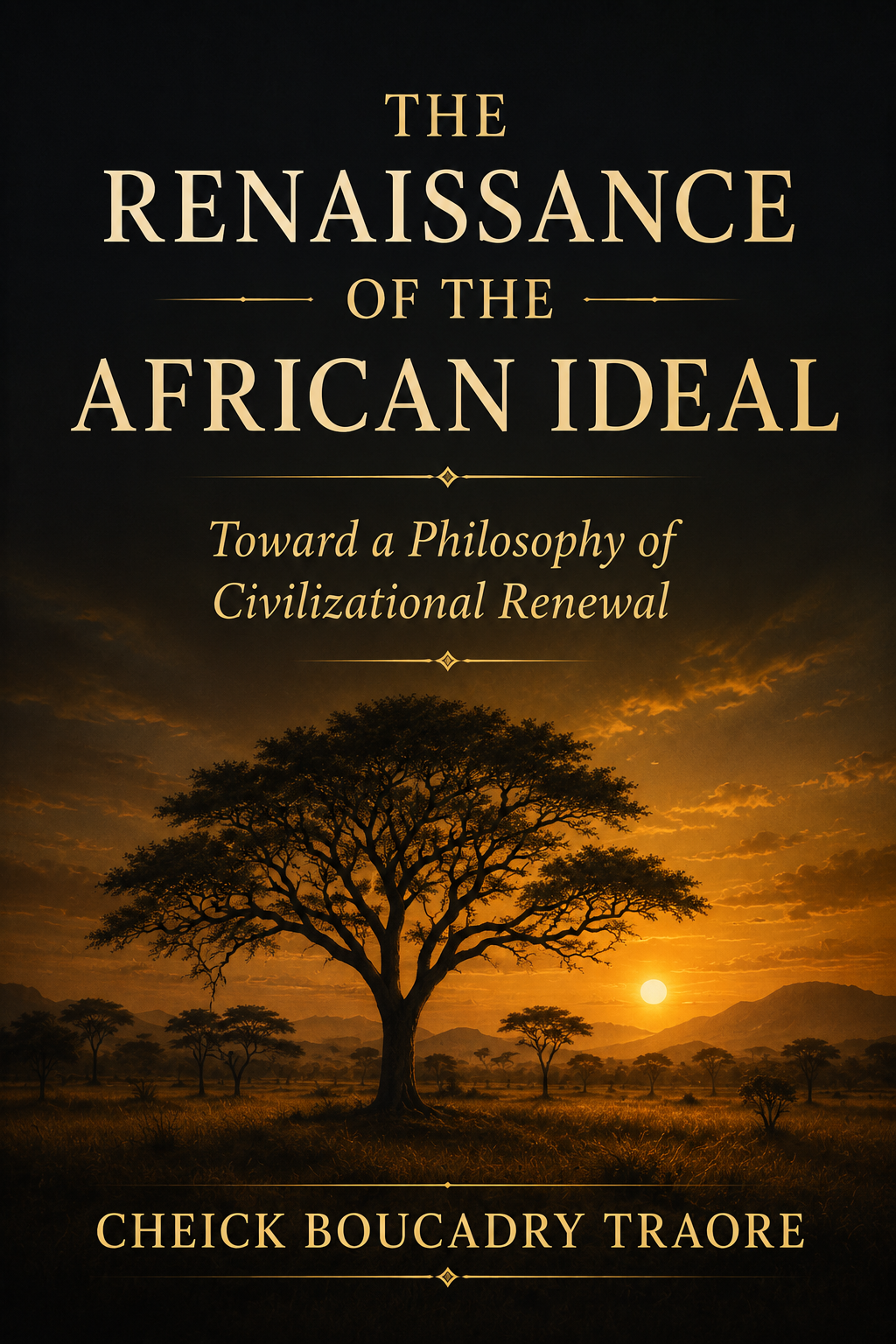
The flagship publication and founding statement of thought. An invitation to recover memory, renew purpose, and build a civilization anchored in human dignity, responsible governance, and shared prosperity.
EXPLORE THE BOOKIntellectual Integrity
Claims should be presented honestly, sources treated responsibly, and distinctions maintained between evidence, interpretation, argument, and opinion.
Editorial Seriousness
Important ideas deserve careful editing, clear organization, thoughtful presentation, and respect for the reader.
Independence of Thought
Publication should create room for serious inquiry and responsible disagreement rather than demand conformity.
Respect for Human Dignity
Difficult arguments can be engaged without contempt for persons or peoples.
Accessibility Without Simplification
Complex ideas should be made understandable wherever possible without stripping them of substance.
FORTHCOMING FROM FWS PUBLISHING
Following the flagship publication, FWS Publishing is bringing forward a sustained body of work developed over decades, exploring civilizational renewal, human dignity, diplomacy, prosperity, sovereignty, and Africa’s responsibility in the world.

The French edition extends the conversation of The Renaissance of the African Ideal to the Francophone world and marks the beginning of a broader multilingual publishing program intended to make this body of work accessible across linguistic communities.
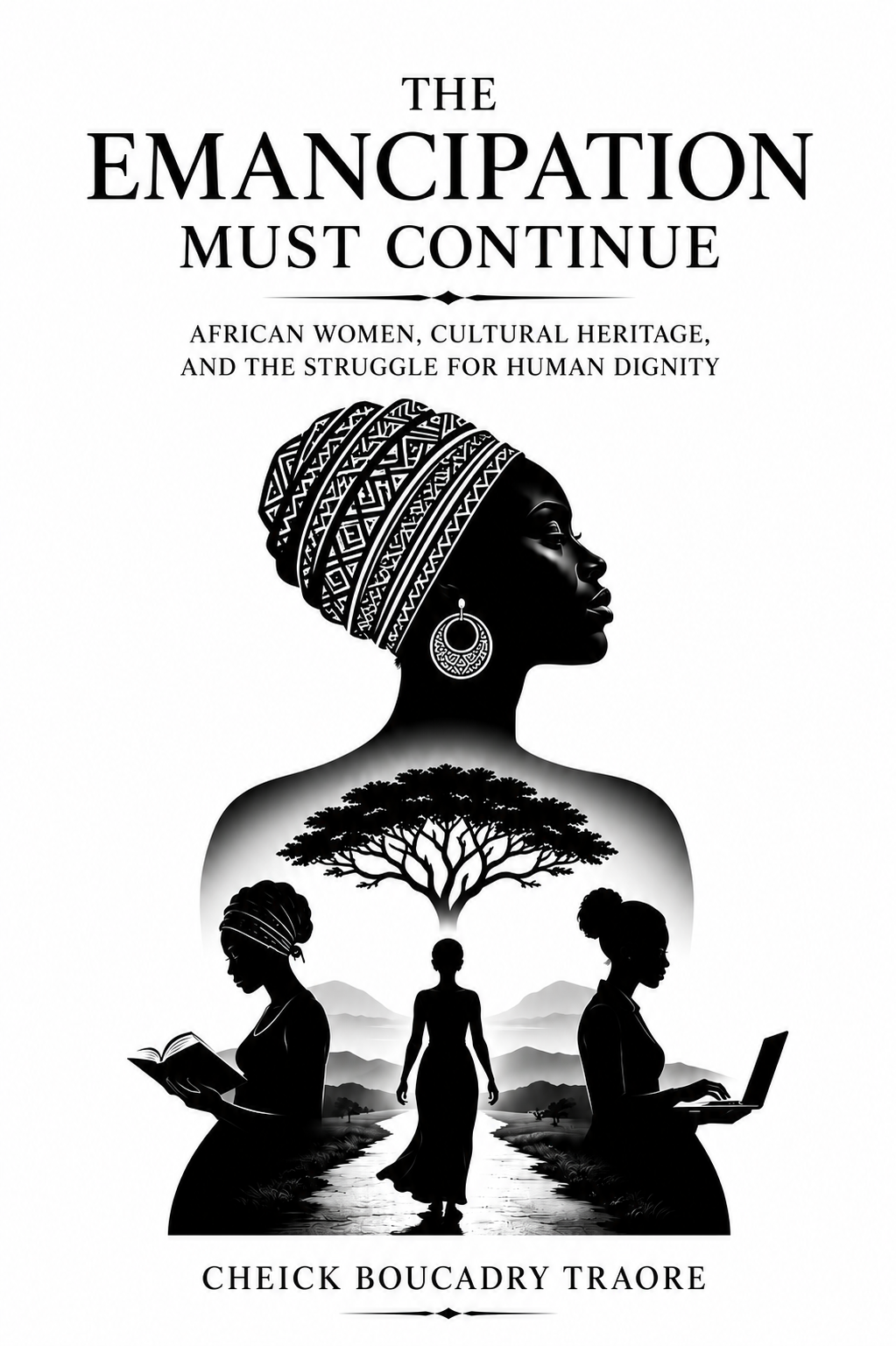
Confronts the unfinished work of emancipation. It places African women, inherited cultural practices, and the universal demand for human dignity within a larger examination of freedom, responsibility, justice, economic participation, and social transformation.
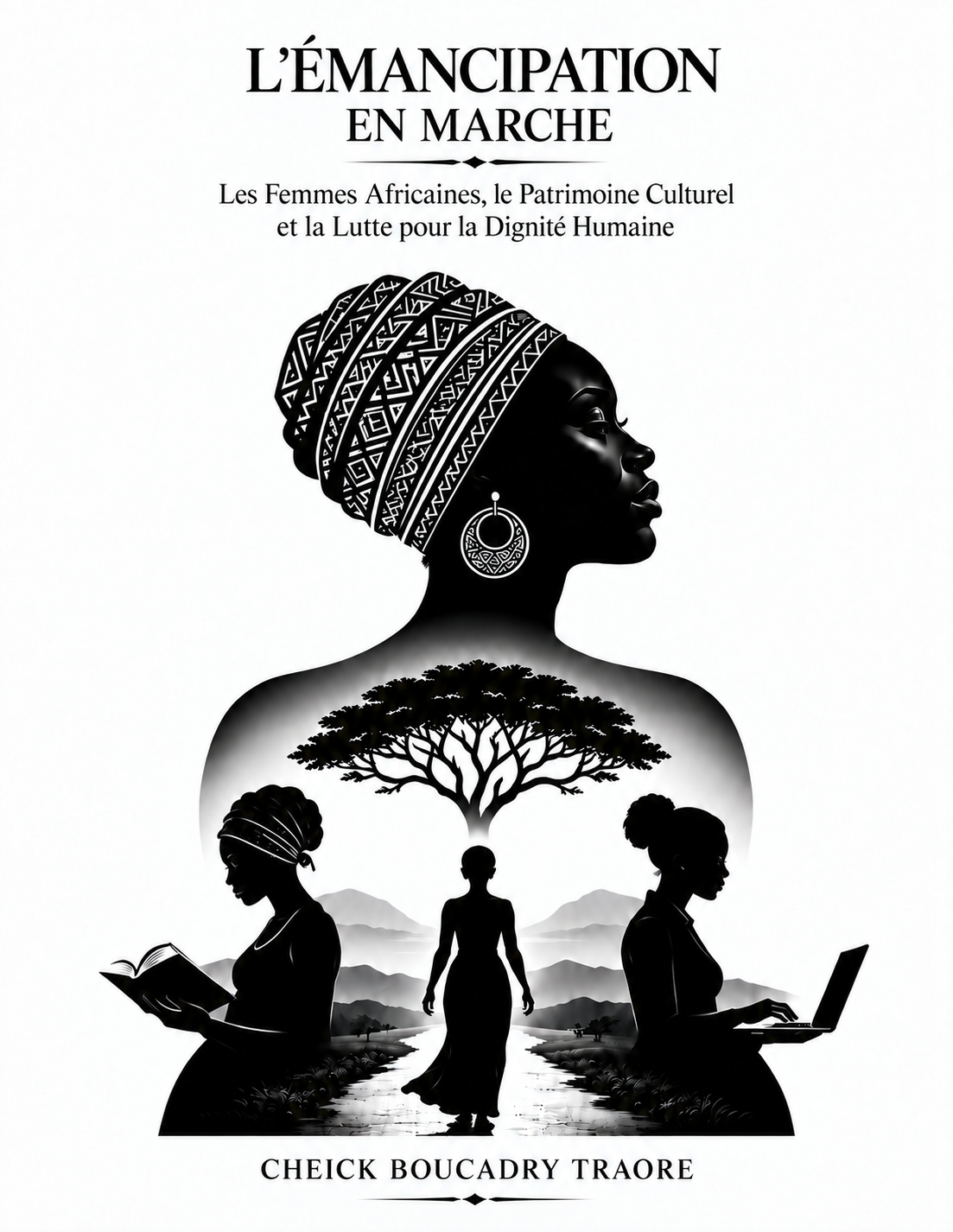
The French edition of The Emancipation Must Continue explores African women, cultural heritage, and the struggle for human dignity, connecting freedom, responsibility, justice, economic participation, and social transformation.
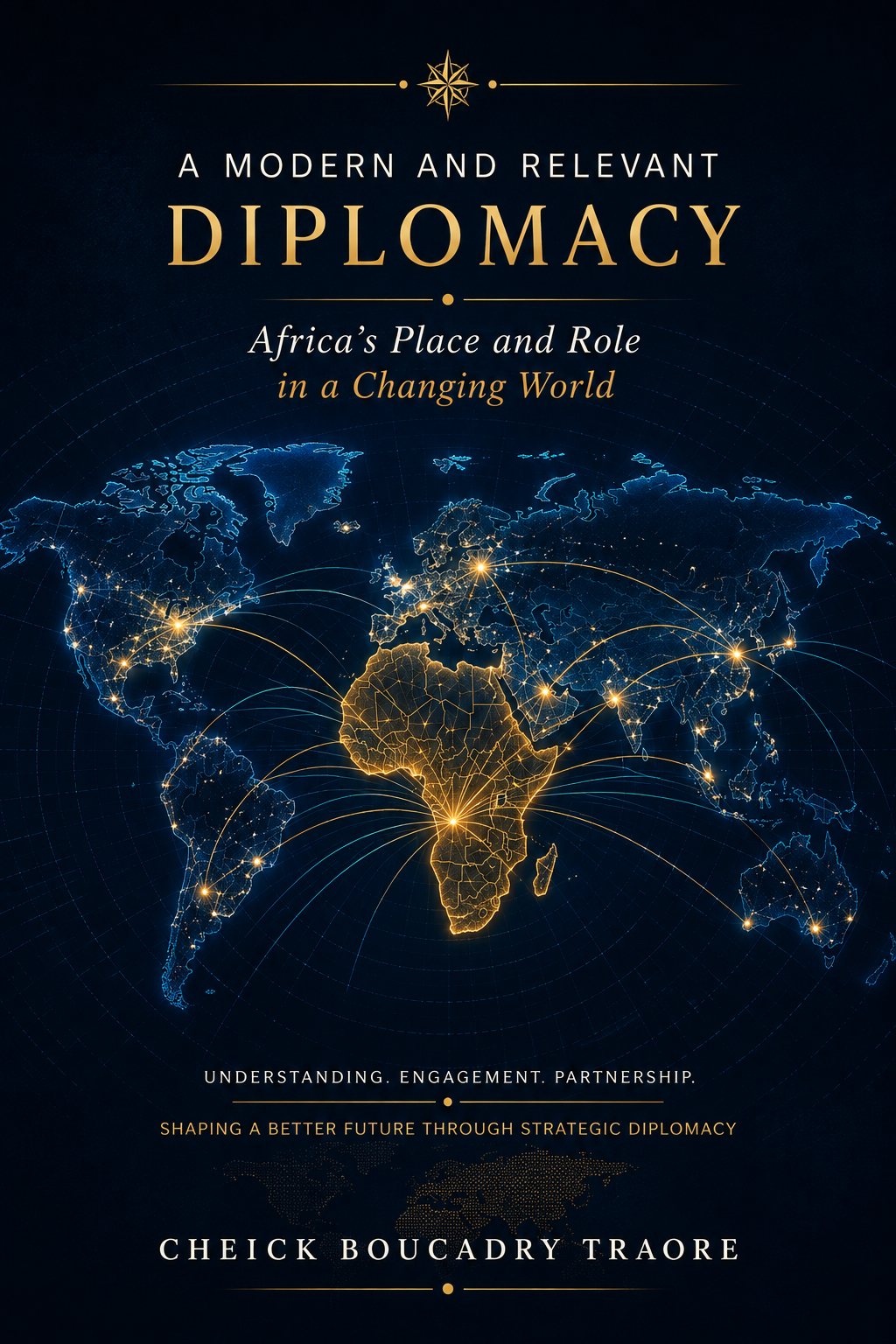
Presents a comprehensive vision of the diplomacy Africa now requires. It argues that the continent must move from presence to influence, from dependency to strategic autonomy, and from being primarily affected by international change to helping shape the world that is emerging.

Examines the foundations of broad-based African prosperity through capital formation, property, productive enterprise, investment, and economic participation. It argues for institutions that enable Africans not merely to survive within their economies, but to own, build, invest, produce, and create enduring wealth.

Explores Africa’s long military inheritance and the place of defense and security institutions in the life of the nation. Moving from historical memory to contemporary responsibility, it examines service, sovereignty, republican institutions, professionalism, families, veterans, remembrance, and the obligations societies owe to the women and men entrusted with their defense.
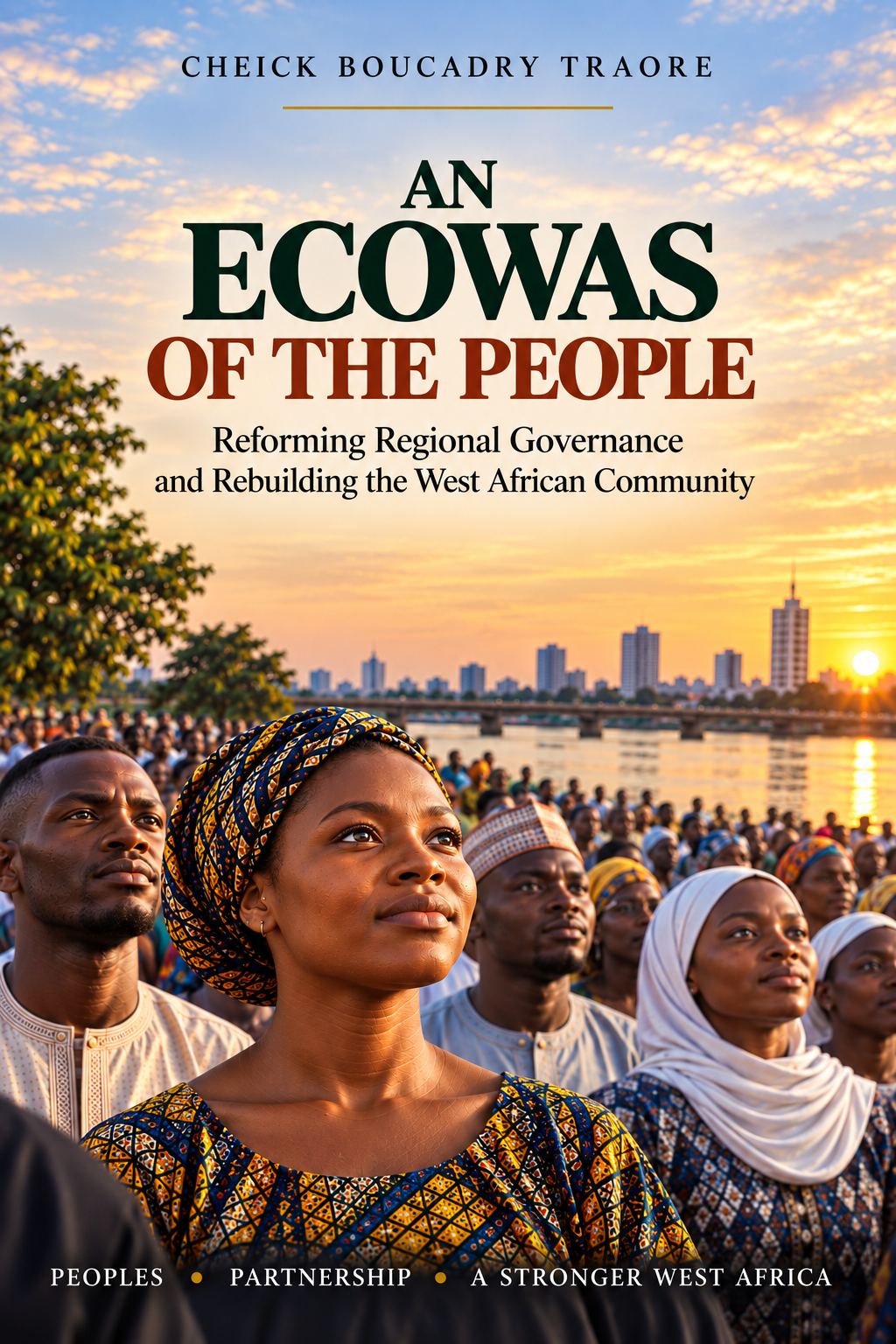
Explores the reform of ECOWAS and the rebuilding of the West African community around its citizens. The book examines regional accountability, free movement, cooperation, and the institutional choices needed to restore trust and give integration practical meaning in people’s lives.
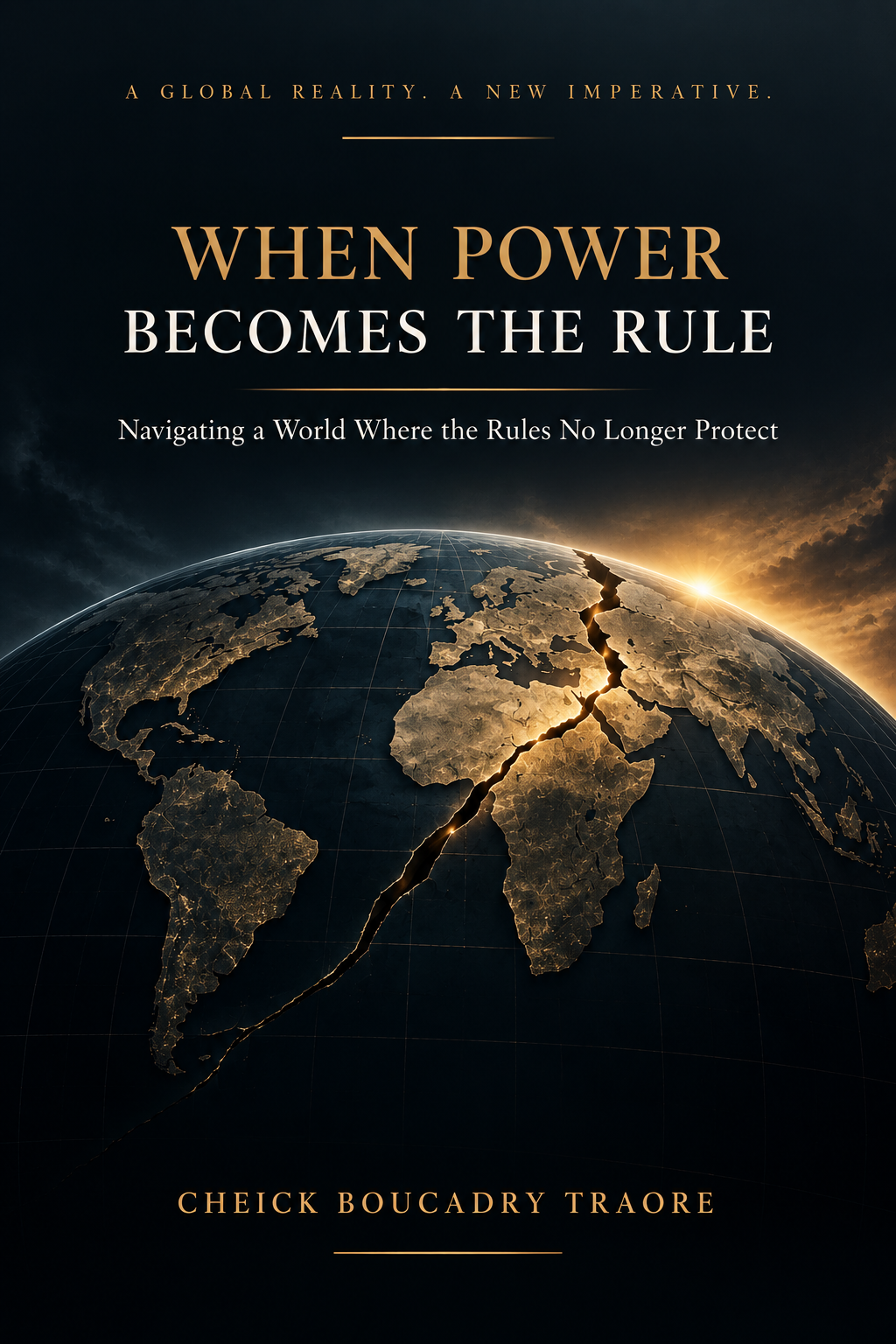
Examines the widening gap between international rules and the protection they provide. The book explores how African states can strengthen their institutions, reduce strategic vulnerability, and build the capabilities needed to act with greater independence in a world of unequal power.
FWS SPECIAL CURRENT TRENDS PUBLICATIONS
Two publications on African diasporas and the institutions that can connect their capabilities to development.
Online reading is for approved users of FWS Knowledge & Learning. Sign-in and platform access are required.
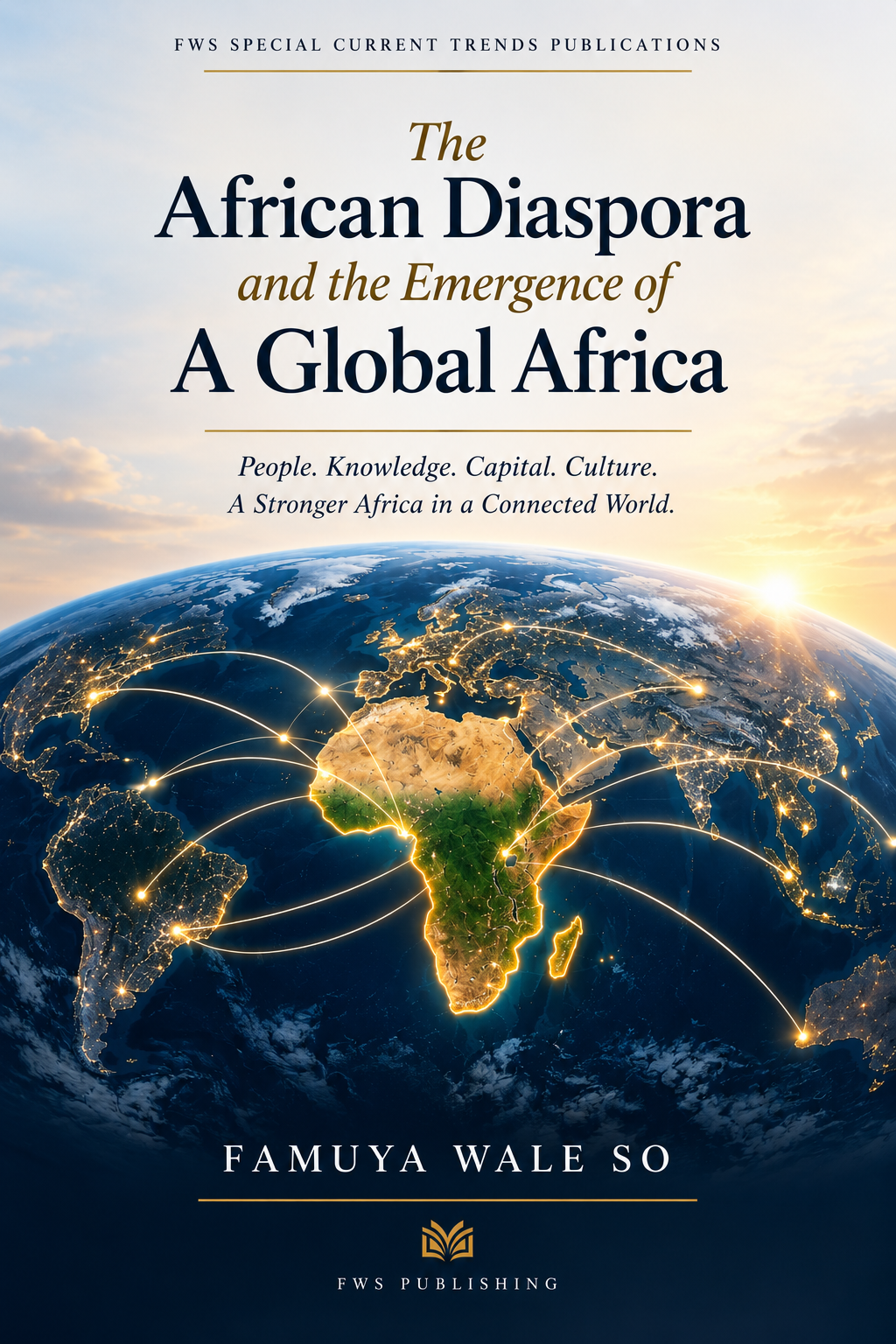
Explores how Africa and its diasporas can connect knowledge, skills, capital, culture, and institutions across borders. Moving beyond remittances and symbolic engagement, the publication examines practical pathways toward productive investment, shared capability, and a more connected Global Africa.
READ ONLINE ↗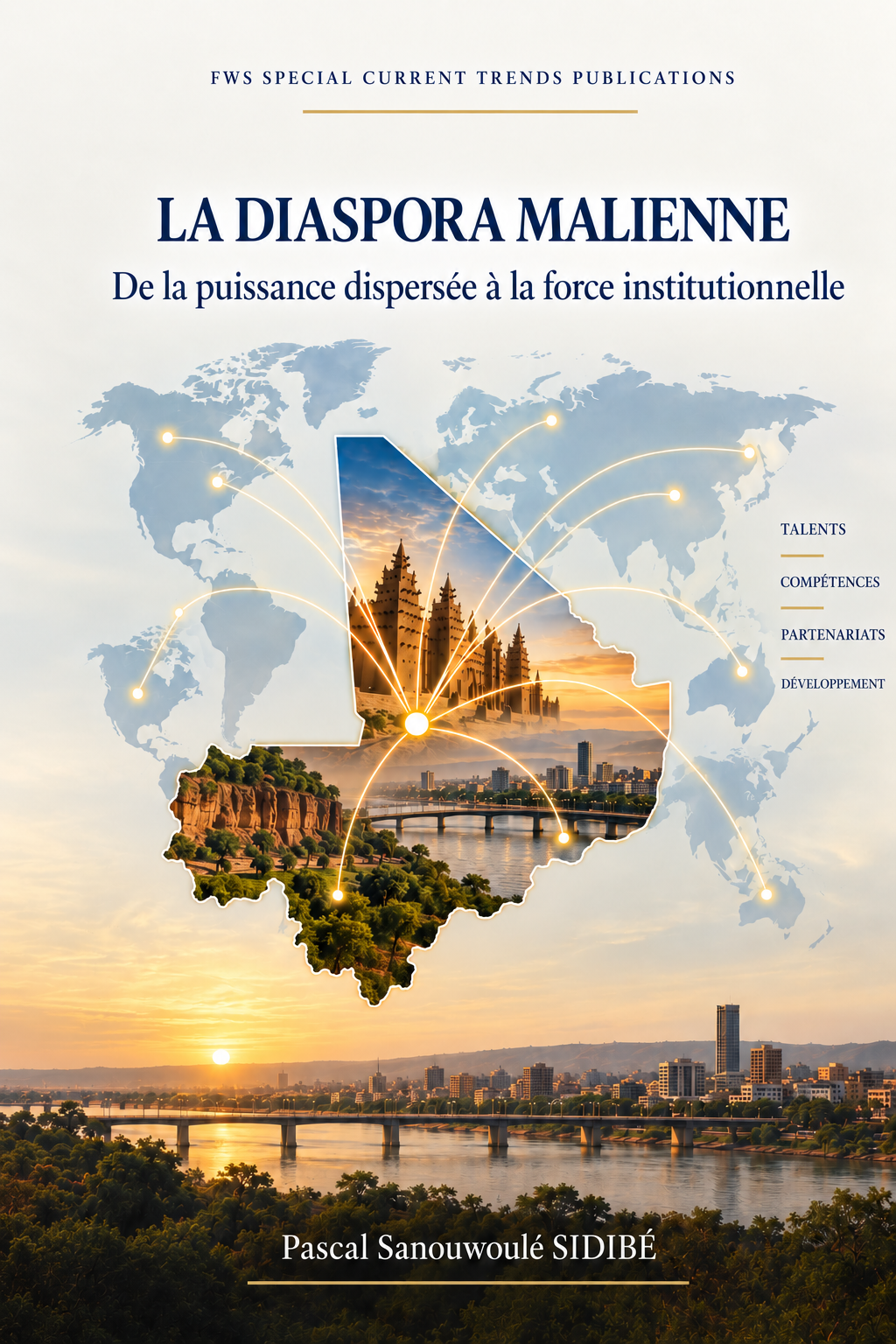
A white paper proposing a new framework for cooperation between Mali and its diaspora. Pascal Sanouwoulé Sidibé examines how dispersed skills and initiatives can become a coordinated, lasting institutional force that contributes to national development.
READ ONLINE ↗“A book is completed when the manuscript ends.
Its journey begins when another human being opens it.— FWS Publishing Philosophy
This is how ideas endure. This is how societies advance.
That is publishing as inheritance.
We publish not to occupy space, but to enlarge the human conversation and prepare an inheritance worthy of those who come after us.