Rigorous
Claims should be supported by evidence, reasoning, and methods appropriate to the question being examined.

HOME›RESEARCH
Understanding Before Prescription
Before a society can respond wisely to a problem, it must first understand it.
Famuya Wale So approaches research as more than the collection of information. Research is the disciplined pursuit of understanding.
Its purpose is to examine reality carefully enough that explanation precedes prescription, evidence disciplines assumption, and action rests upon a stronger foundation of knowledge.
OUR APPROACH TO RESEARCHClaims should be supported by evidence, reasoning, and methods appropriate to the question being examined.
Research should remain free to follow evidence even when conclusions complicate prevailing assumptions, institutional preferences, or ideological expectations.
Ideas and policies do not operate in abstraction. History, culture, institutions, geography, political economy, and human behavior matter.
Important questions do not respect academic boundaries. Understanding requires disciplines to encounter one another.
Africa has much to learn from experiences elsewhere, just as the world has much to learn from African experience.
Behind statistics are human lives. We seek to understand what systems enable people and communities to become.
Research should help us understand the present while remaining attentive to consequences across generations.
State capability, institutional legitimacy, public administration, democratic resilience, accountability, leadership, civic responsibility, decentralization, social trust, and institutional reform.
Productivity, enterprise, investment, industrialization, infrastructure, trade, financial systems, employment, inequality, economic sovereignty, and pathways toward broad-based prosperity.
Education, health, skills, universities, research institutions, professional capability, talent development, brain circulation, knowledge transmission, and human potential.
Artificial intelligence, digital transformation, scientific capability, innovation, data, automation, the future of work, technological sovereignty, ethics, and human development.
Conflict, security institutions, diplomacy, strategic competition, regional stability, sovereignty, global power transitions, international cooperation, and Africa's position in a changing world.
Food systems, agricultural productivity, land and water, energy, extractive resources, climate resilience, biodiversity, environmental stewardship, and long-term development.
Memory, language, cultural transmission, social values, historical consciousness, symbols, identity, family and community, intellectual traditions, institutions, and development.
Regional institutions, continental integration, trade, infrastructure, mobility, sovereignty, African agency, international partnerships, and Africa's evolving place in global affairs.
Public finance, natural resources, education, infrastructure, institutions, environmental inheritance, technology, demography, and responsibilities toward the future.
Collecting reliable information from credible sources.
Organizing and examining facts with discipline and care.
Interpreting patterns, relationships, causes, and consequences.
Building an informed explanation of how and why.
Drawing implications that illuminate possibilities.
Informing decisions that improve human life and institutions.
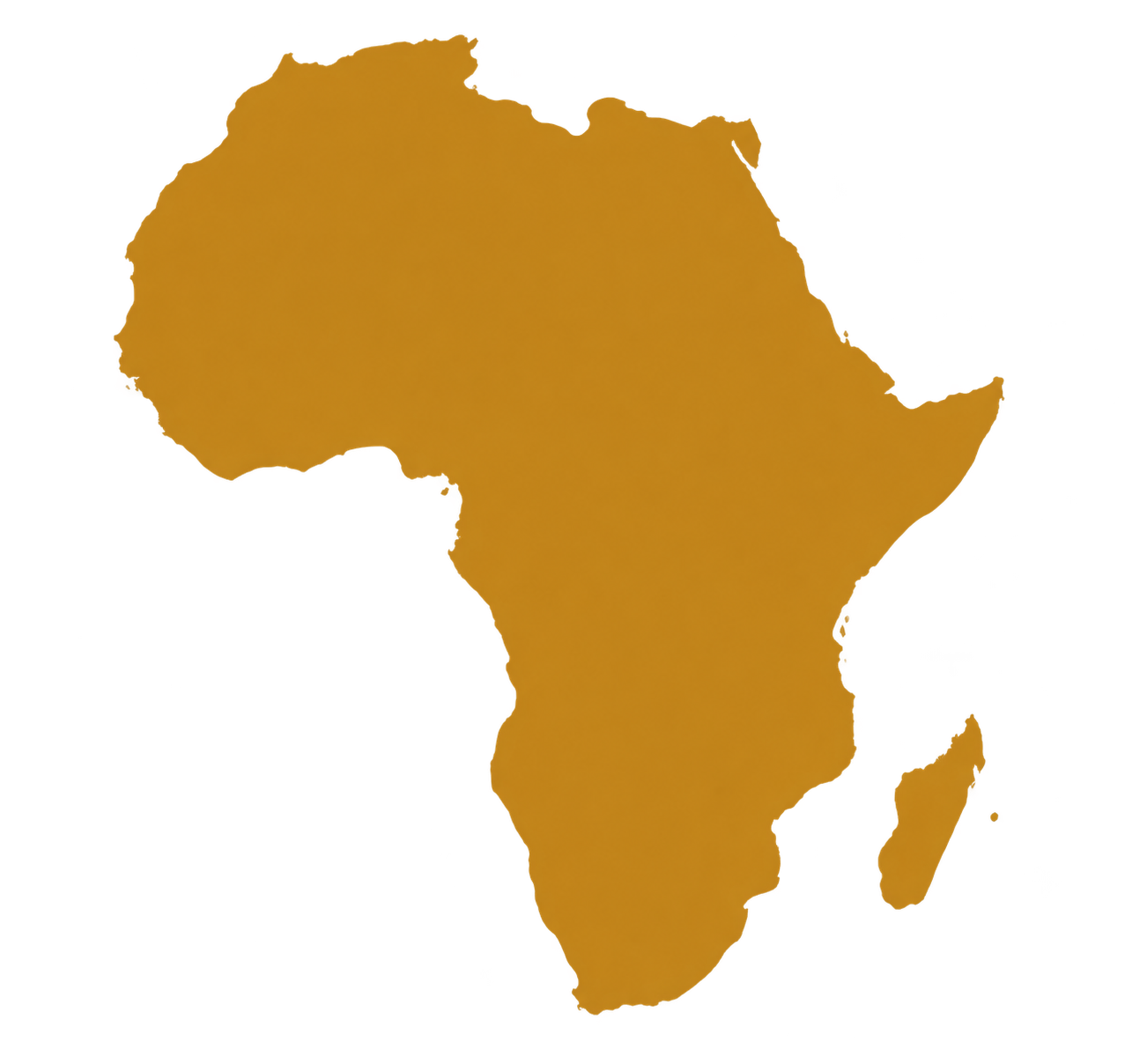
A society that understands itself, produces knowledge, and develops its people enlarges its freedom to choose its future and shape its destiny.
“Through research, we seek to understand.EXPLORE OUR RESEARCH
Through understanding, we seek to act.
Through action, we seek to build a future worthy of the human person.