Authors & Writers
Writers and thinkers crafting ideas that inform, challenge, and inspire.

HOME› AUTHORS & FELLOWS
Institutions Are Built by People
Ideas require institutions to sustain them. But institutions, ultimately, are built by people.
Researchers ask the questions. Authors develop the arguments. Practitioners test ideas against experience. Teachers transmit knowledge. Fellows pursue inquiry. Editors sharpen thought. Emerging scholars challenge inherited assumptions. And conversations between them create possibilities that none might have produced alone.
The strength of an intellectual institution lies not only in the ideas it produces, but in the people whose capacities it helps bring into conversation.
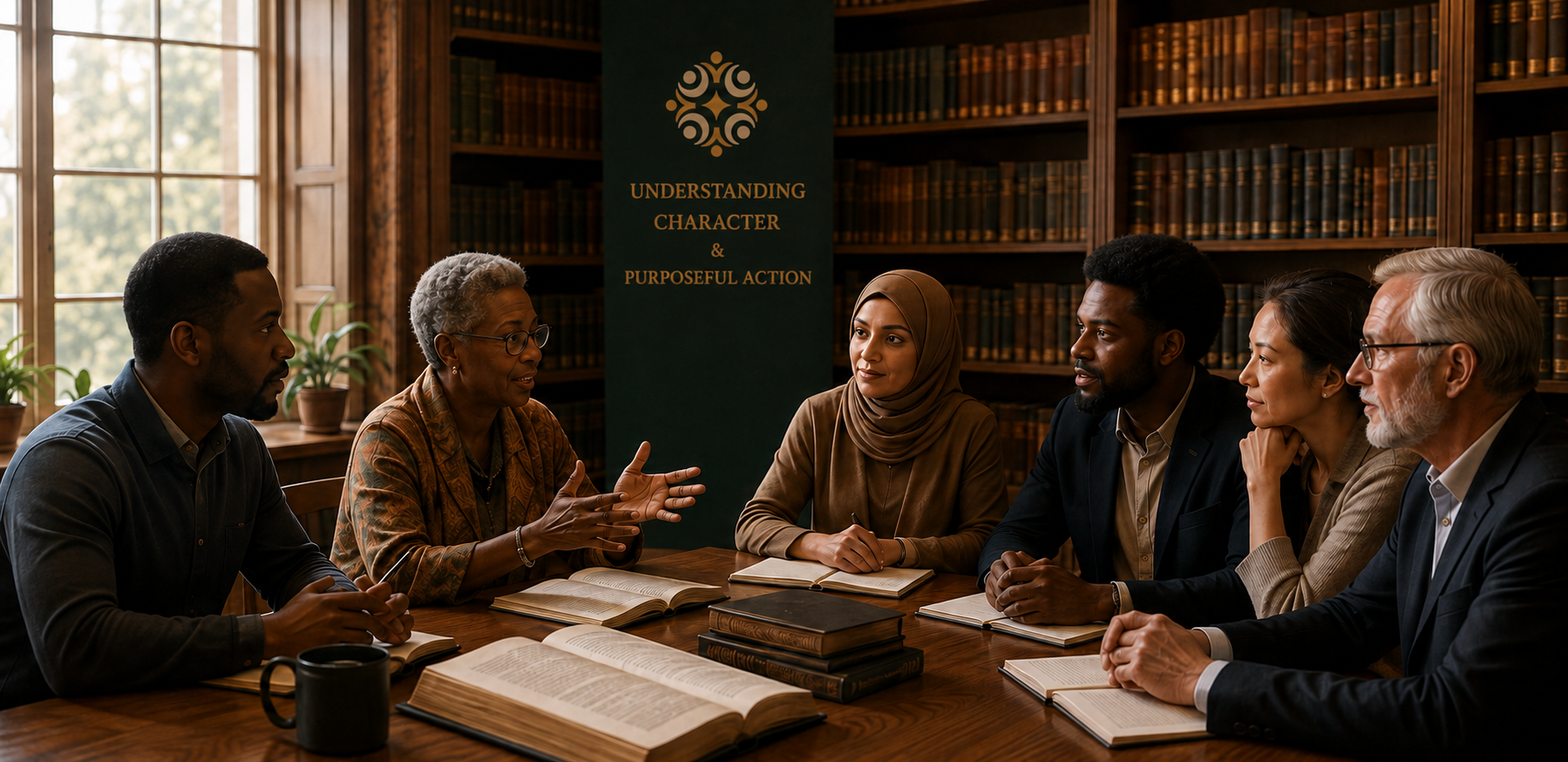
FWS brings together a diverse community whose knowledge, experience, and questions enrich one another.
Writers and thinkers crafting ideas that inform, challenge, and inspire.
Investigators and scholars advancing knowledge across disciplines.
Practitioners and advisors bringing policy questions and experience.
Individuals in residence for inquiry, writing, exchange, and collaboration.
Teachers, cultural voices, and intellectual leaders shaping understanding.
Innovators and builders shaping technology and enterprise.
Leaders and public servants strengthening institutions and communities.
Rising voices and new generations expanding ideas and capability.
Publishing creates one of the most enduring relationships between an institution and an intellectual community. FWS authors bring intellectual seriousness, clarity, and integrity to work that enlarges understanding.
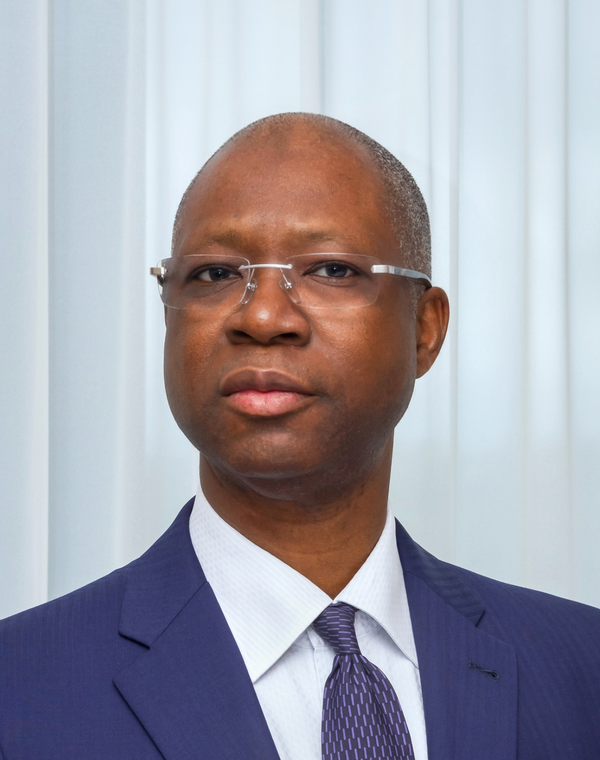
Author of
The Renaissance of the African Ideal:
Toward a Philosophy of Civilizational Renewal
Cheick Boucadry Traore is the founding mind behind Famuya Wale So, writing on civilization, leadership, governance, culture, and Africa’s place in the world. His work seeks to recover memory, renew purpose, and cultivate the capacities needed for a just and prosperous future.
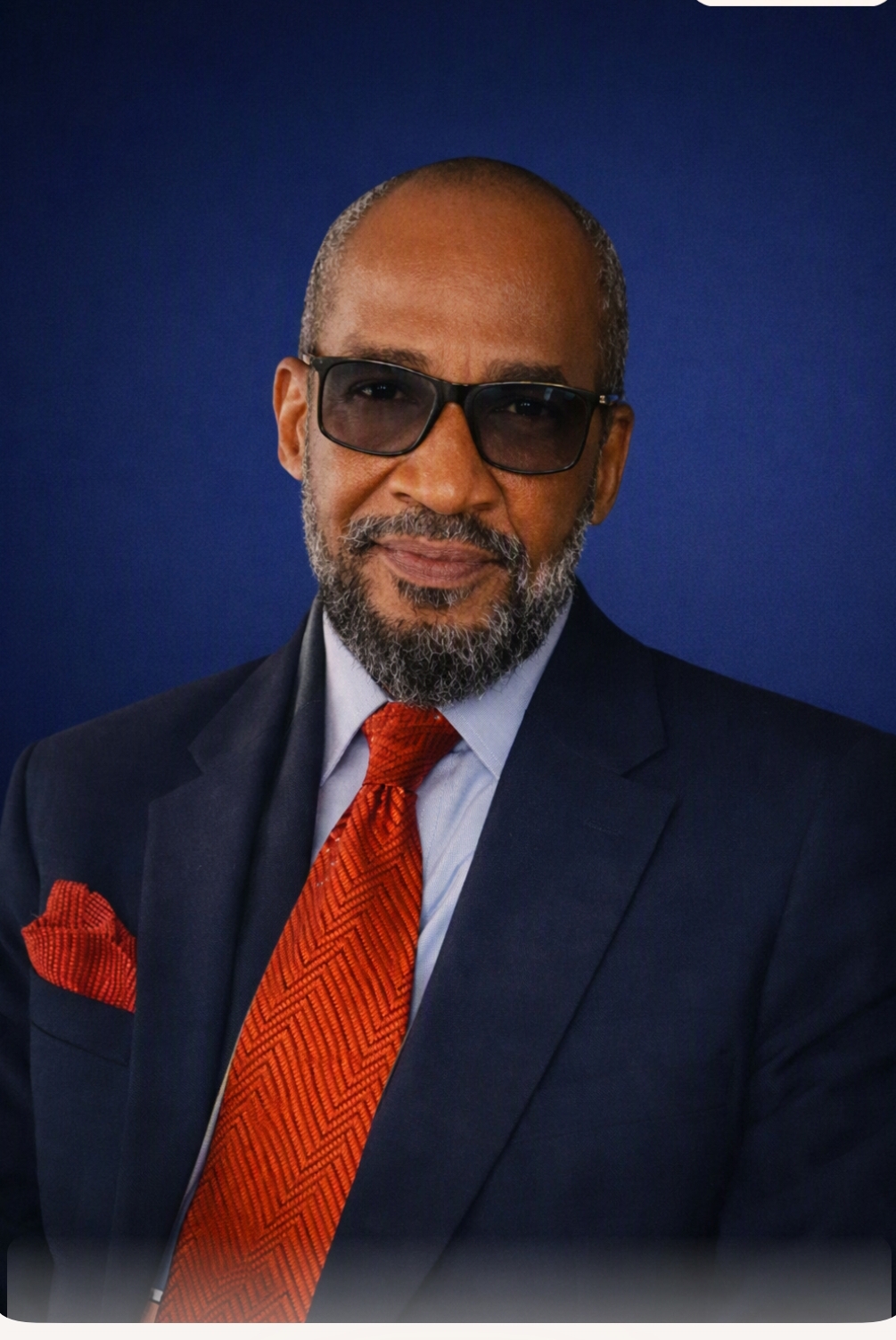
AUTHOR · FWS PUBLISHING
Author of
La Diaspora Malienne:
De la puissance dispersée à la force institutionnelle
An author and practitioner working in social development, institutional mediation, and cooperation between France and Mali, Pascal Sanouwoulé Sidibé draws on more than three decades of experience in educational, social, and community projects. His work focuses on organizing civic initiatives and bringing diaspora skills into sustained cooperation. As director of CONSULT AD-HOC and president of Ensemble Faisons la Différence (EFD France), he supports projects and partnerships between France and West Africa.
FWS intends to establish fellowship opportunities that create time, space, community, and intellectual support for serious work.
For scholars and researchers pursuing work connected to FWS research domains.
For practitioners and specialists examining significant policy and institutional questions.
For distinguished or experienced individuals spending time in engagement with FWS.
For authors developing manuscripts, essays, translations, and other works.
For promising younger scholars, researchers, and professionals developing their capacity.
A fellowship should not merely decorate a résumé. It enlarges capability.
The deeper question is not: What will this person do for FWS?
The deeper question is: What can this person become capable of doing through the experience?
FWS seeks to create a generational bridge.
Experienced scholars and practitioners bring depth, memory, and hard-earned wisdom.
Emerging generations bring energy, new questions, and new skills.
Together, they build an intellectual community worthy of the future.
Inheritance is strongest when transmission becomes conversation.
Our community is rooted in Africa and open to the world.
Every contributor to FWS Ideas, Research, or Publishing is invited to uphold these commitments.
Truthfulness, honesty in sources, and clarity of distinction.
Commitment to depth, evidence, method, and rigorous thought.
Freedom to ask questions and follow evidence.
Engage firmly, but without scorn or dehumanization.
Remain open to new evidence and better arguments.
Thoughtful words shape public understanding and trust.
Add something of value to the human conversation.
FWS is not a solitary voice. It is a house of many contributors.
Because ultimately, an institution’s greatest inheritance is not merely what it possesses.
It is the human capacity it helps release into the world.
Research develops knowledge. • Fellowship develops people. • And strong institutions need both.