Universities & Research Institutions
Joint research, scholarly exchange, visiting researchers, conferences, publications, data projects, and intellectual collaboration.

No Institution Builds Alone
The most consequential questions facing societies rarely belong to one institution, discipline, profession, or country.
Knowledge is distributed. Experience is distributed. Capability is distributed. So are resources, responsibilities, and opportunities for action.
Famuya Wale So approaches collaboration not as an accessory to its work, but as one of the ways serious institutions enlarge what they are capable of understanding and contributing.
No institution possesses all the knowledge required to understand the world—or all the capacity required to improve it.
Partnership allows different strengths to meet around a meaningful purpose.
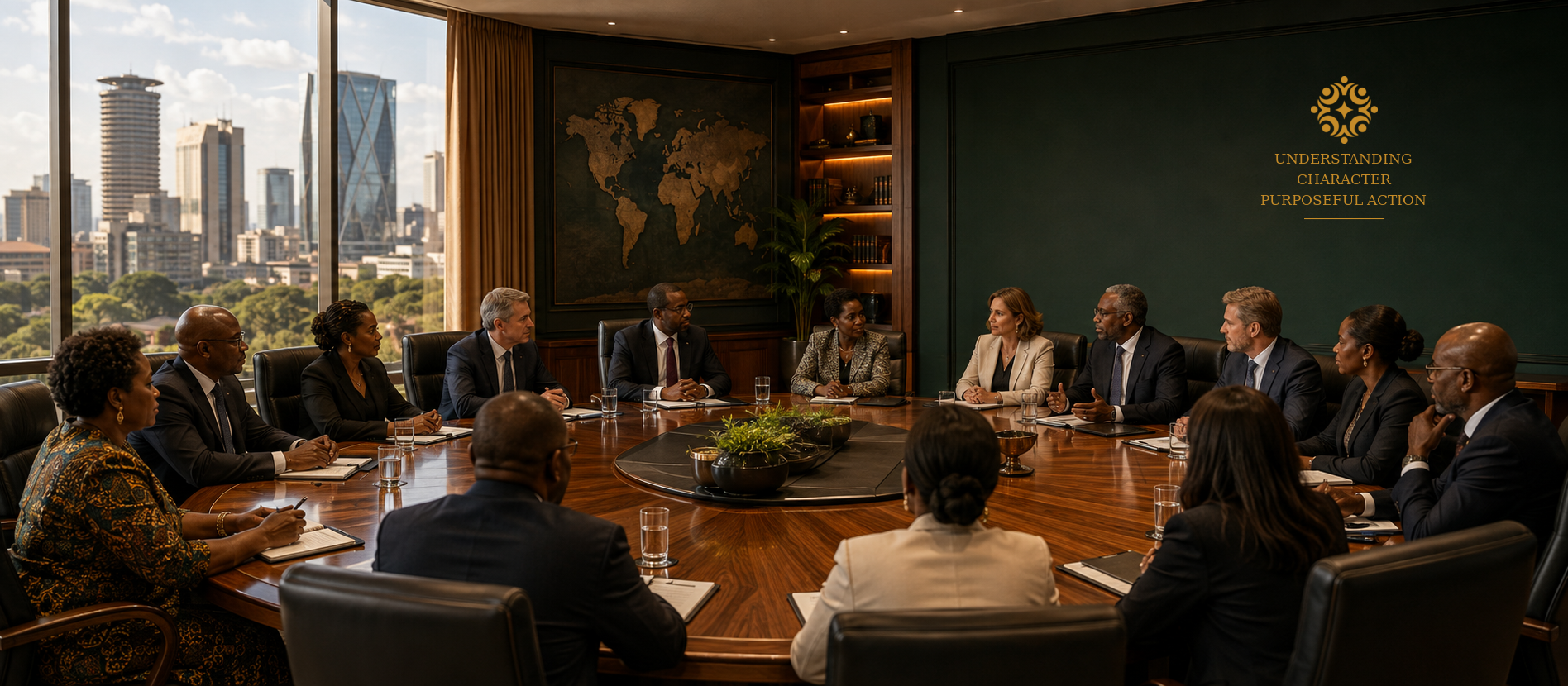
“The question should always be:What can we accomplish together that neither of us could accomplish as well alone?
Joint research, scholarly exchange, visiting researchers, conferences, publications, data projects, and intellectual collaboration.
Research, policy dialogue, institutional capacity development, strategic studies, and carefully structured public-sector cooperation.
Work on African integration, development, peace, governance, knowledge, human capacity, and global cooperation.
Support for research, fellowships, publications, dialogues, institutional development, and initiatives serving the public good.
Responsible collaboration around innovation, enterprise, technology, human capital, economic transformation, research, and shared value.
Collaboration that connects research and ideas with communities, social experience, civic participation, and practical knowledge.
Publishing, translation, archives, preservation, exhibitions, intellectual transmission, and broader access to knowledge.
Strengthening intellectual, professional, cultural, and institutional circulation across Africa and its global diasporas.
Joint inquiry, comparative research, strategic dialogue, publications, and exchange across different perspectives and regions.
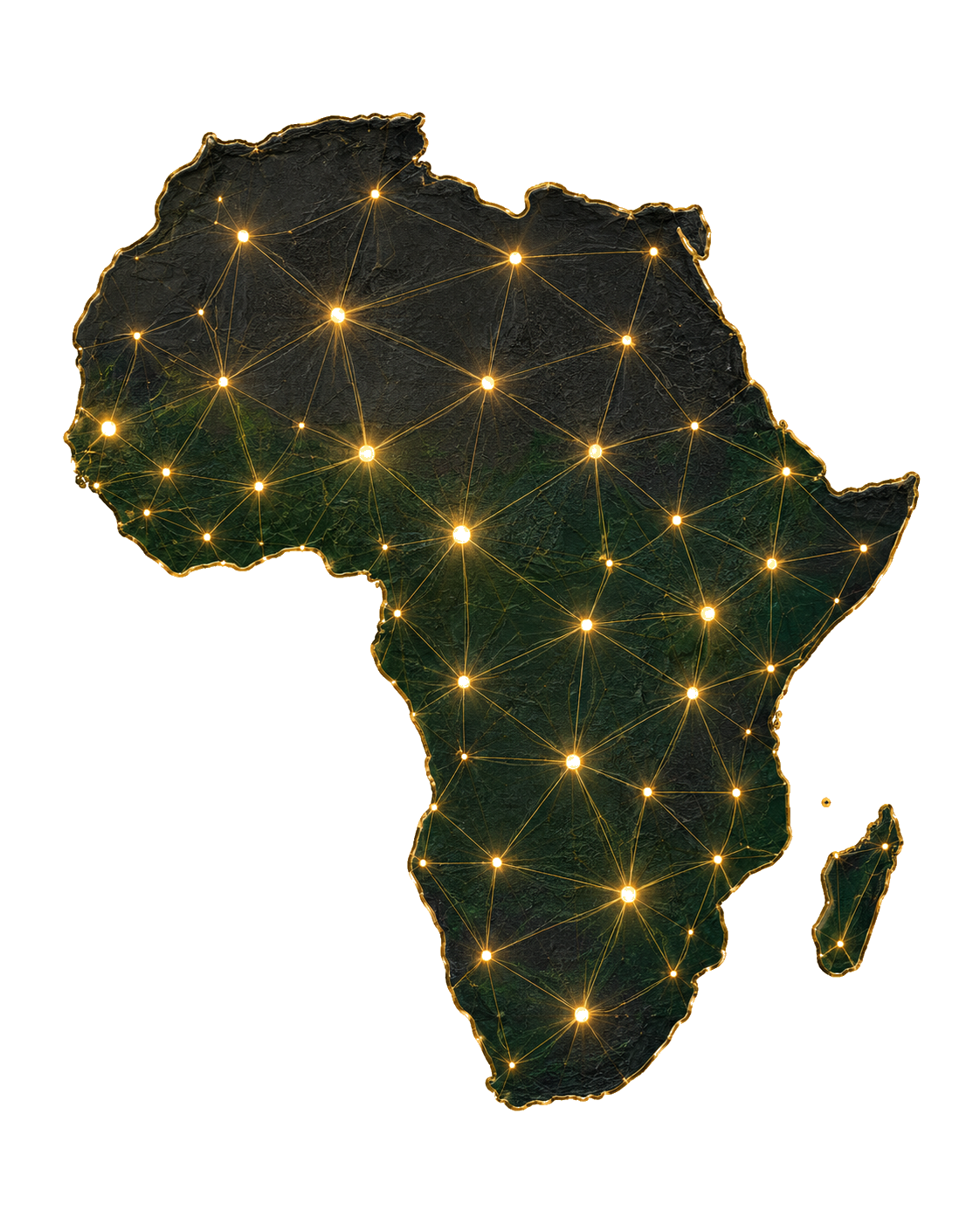
Partnership with Africa should increasingly mean thinking with Africa—not merely acting upon Africa.That is an important distinction.
Share knowledge, data, and perspectives.
Offer insights, tools, and experience.
Frame the question and align purpose.
Build programs, methods, and approaches.
Implement initiatives and produce outcomes.
Reflect, evaluate, and strengthen together.
“The strongest partnerships do not merely transfer capacity.
They enlarge capacity on both sides.”
We collaborate around meaningful questions and shared values.
We honor differences in perspective, context, and experience.
We retain the freedom to think, question, and publish.
Partnership is two-way and creates value for all.
We communicate honestly about intentions and expectations.
We seek partnerships that strengthen people and institutions.
We build relationships that endure beyond single projects.
We bring different kinds of knowledge into encounter.
“ Knowledge becomes more powerful when institutions know how to share without erasing where it came from. ”
We welcome conversations that advance our shared mission.
FWS supports and participates in networks that strengthen Africa's intellectual and institutional ecosystem.
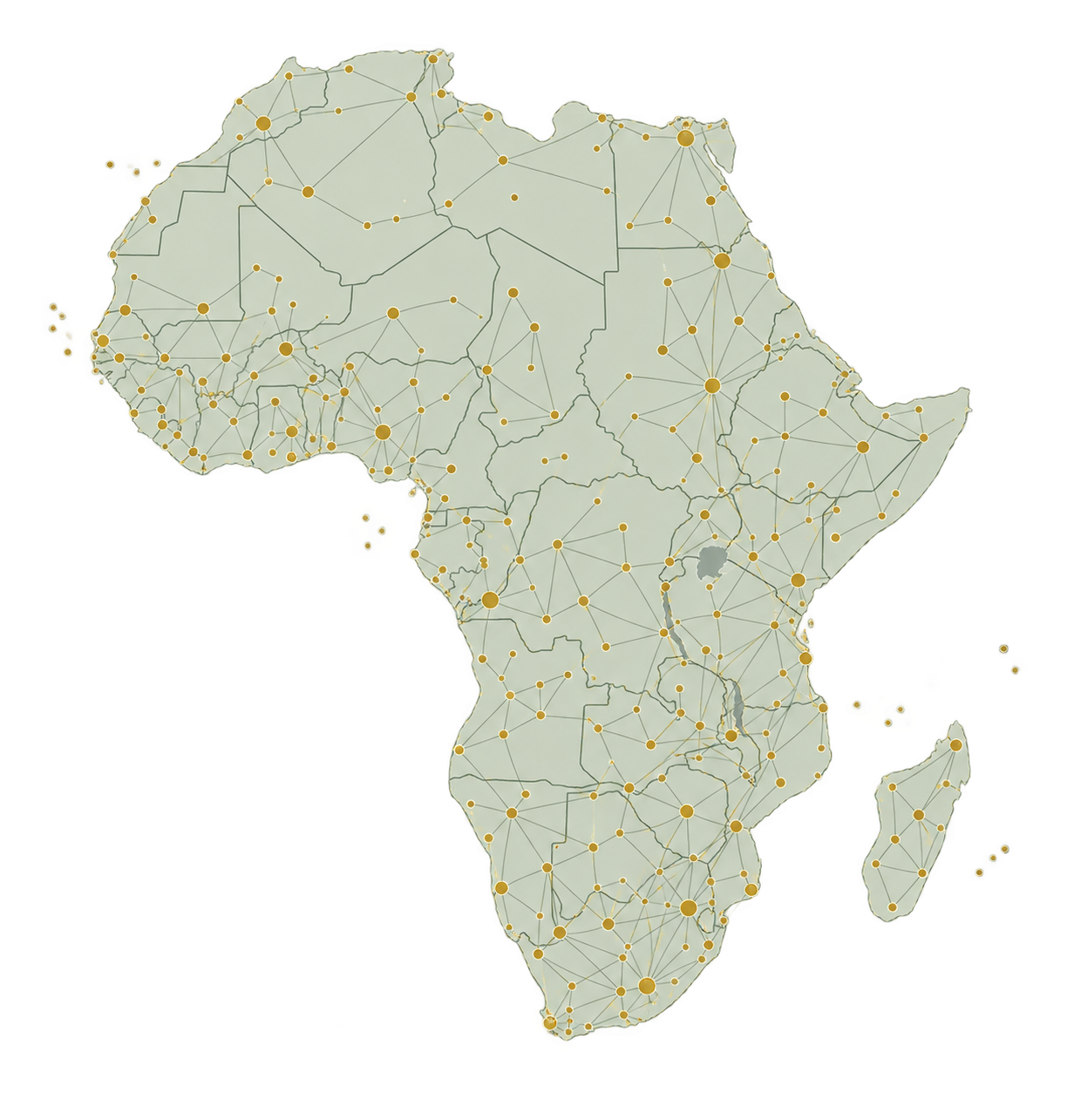
The goal is circulation of knowledge, not centralization of control.
FWS works with funders who respect intellectual independence, institutional integrity, and long-term impact.
FWS collaborates across regions and civilizations.
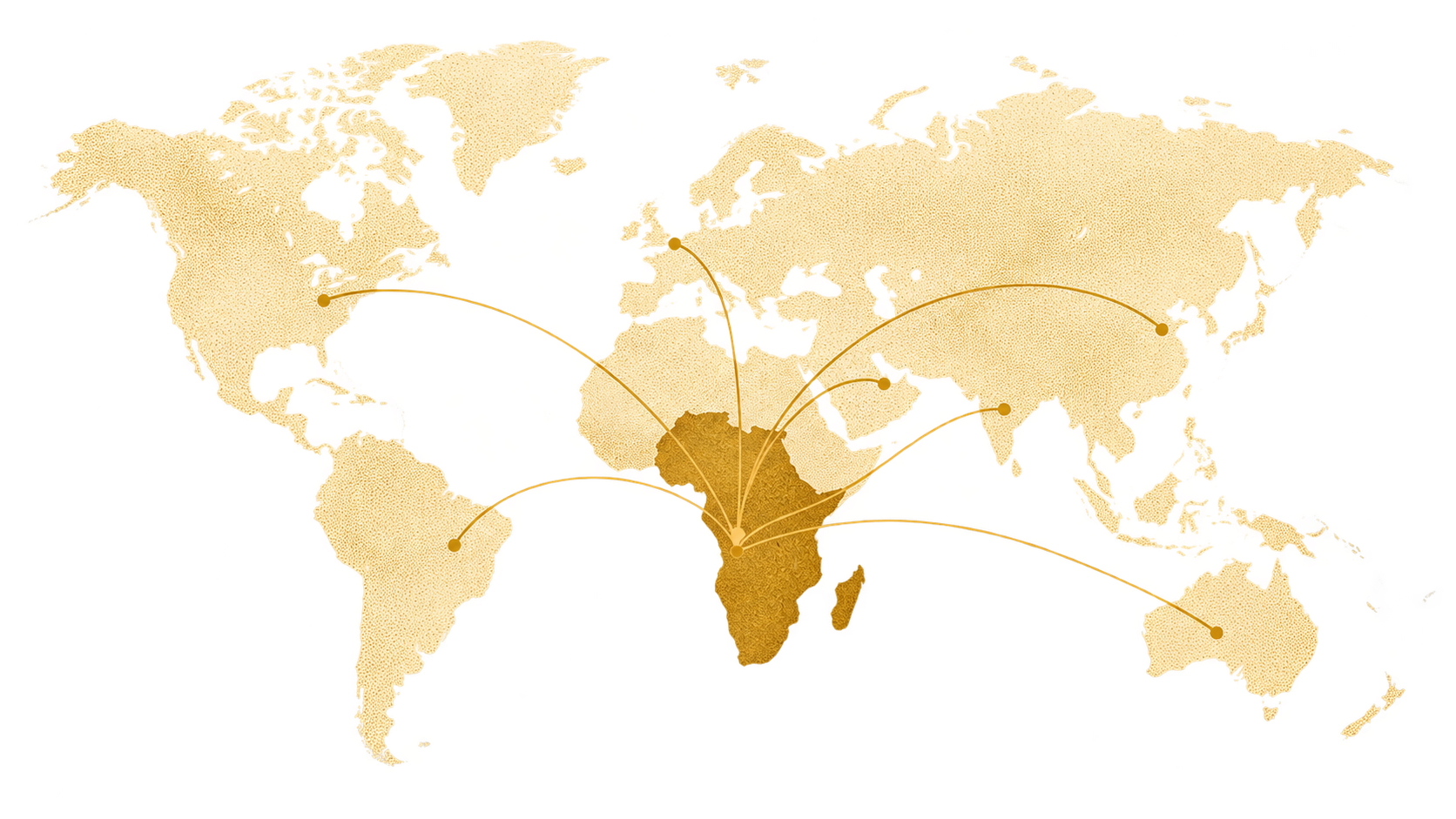
Geography is not decoration; it is a means to generate genuine value.
When collaboration is done well, something remains:
“ The measure is not how many partners we list.
The measure is: What became possible because we worked together? ”
We do not seek partners to look bigger,
We seek partners to think deeper, act better,
and build what can outlive us.
 UNDERSTANDING